AI의 역량과 한계

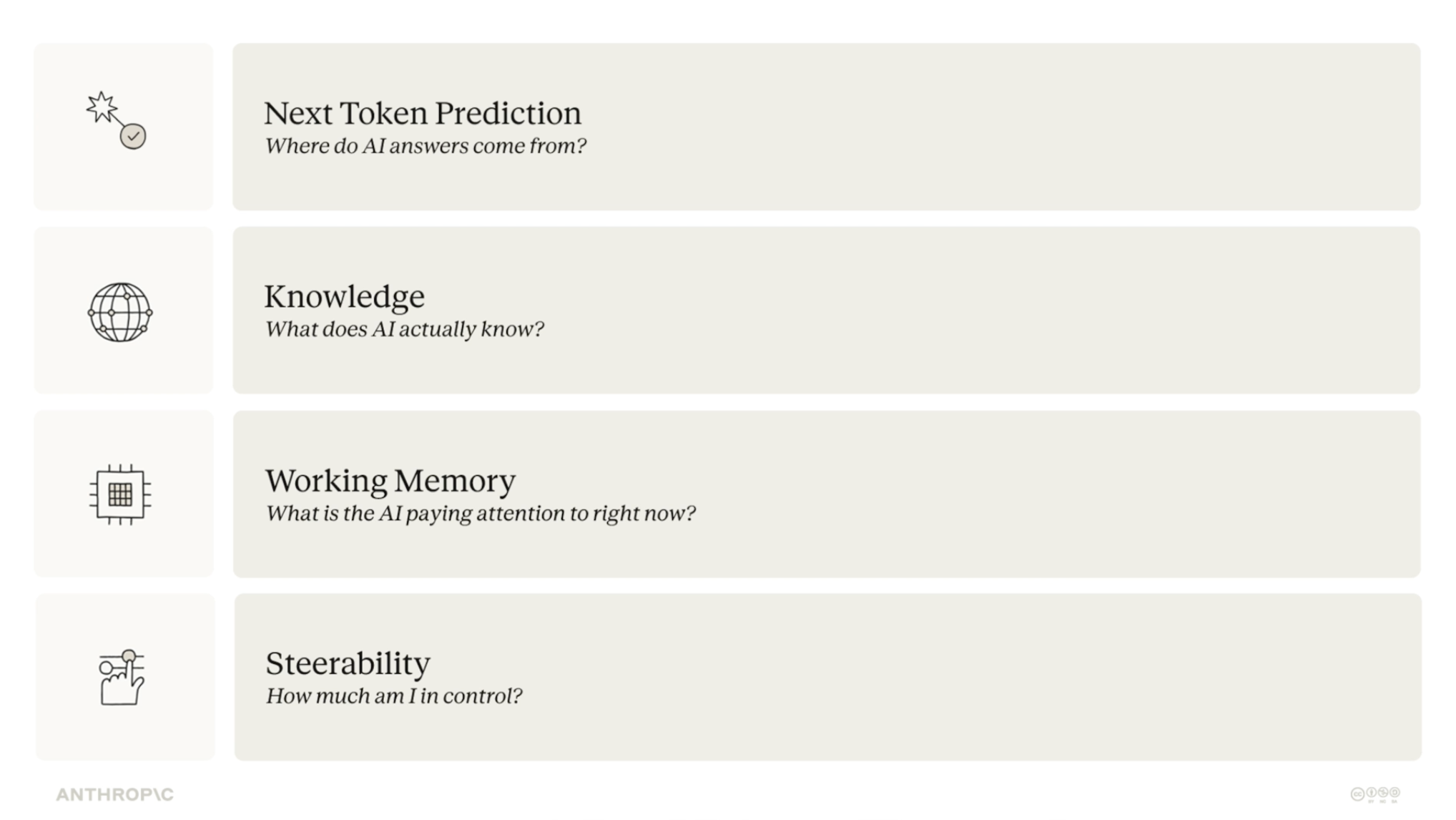
대규모 언어 모델이 할 수 있는 것과 할 수 없는 것에 대한 정확한 사고 모델을 구축합니다: 다음 토큰 예측, 지식, 작업 메모리, 조종 가능성, 컨텍스트 한계.

13 레슨3.5시간1 퀴즈수료 배지
학습 내용이 강좌를 마치면
  • 생성형 AI를 분류 및 예측 AI와 구별하고, 그 네 가지 핵심 속성을 역량-한계 연속체로 구성합니다
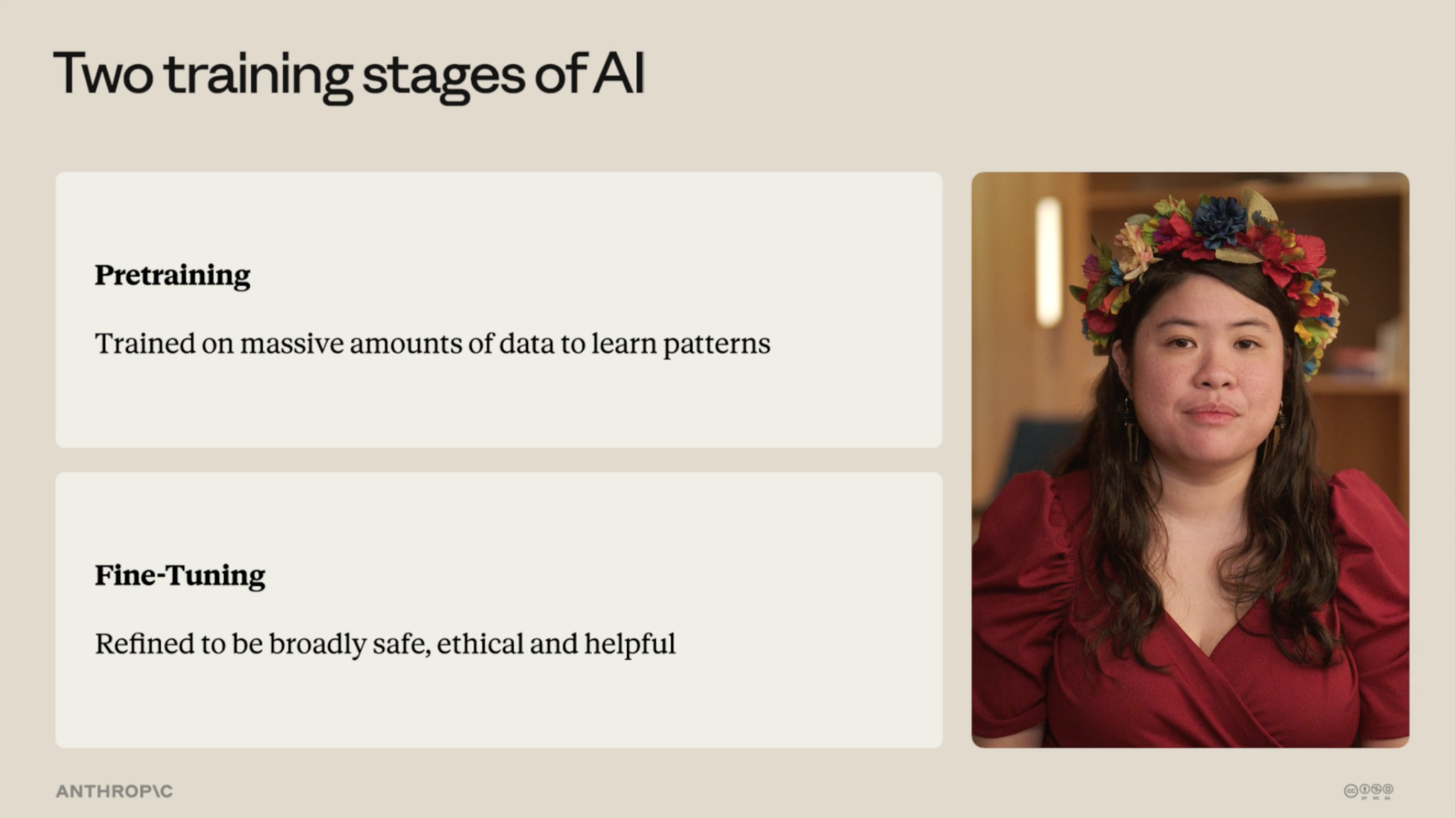
  • 2단계 학습 과정(사전 학습과 fine-tuning)을 설명하고, 이 과정이 남기는 행동적 흔적인 아첨, 장황함, 과도한 신중함, 느슨한 확신도 보정을 인식합니다
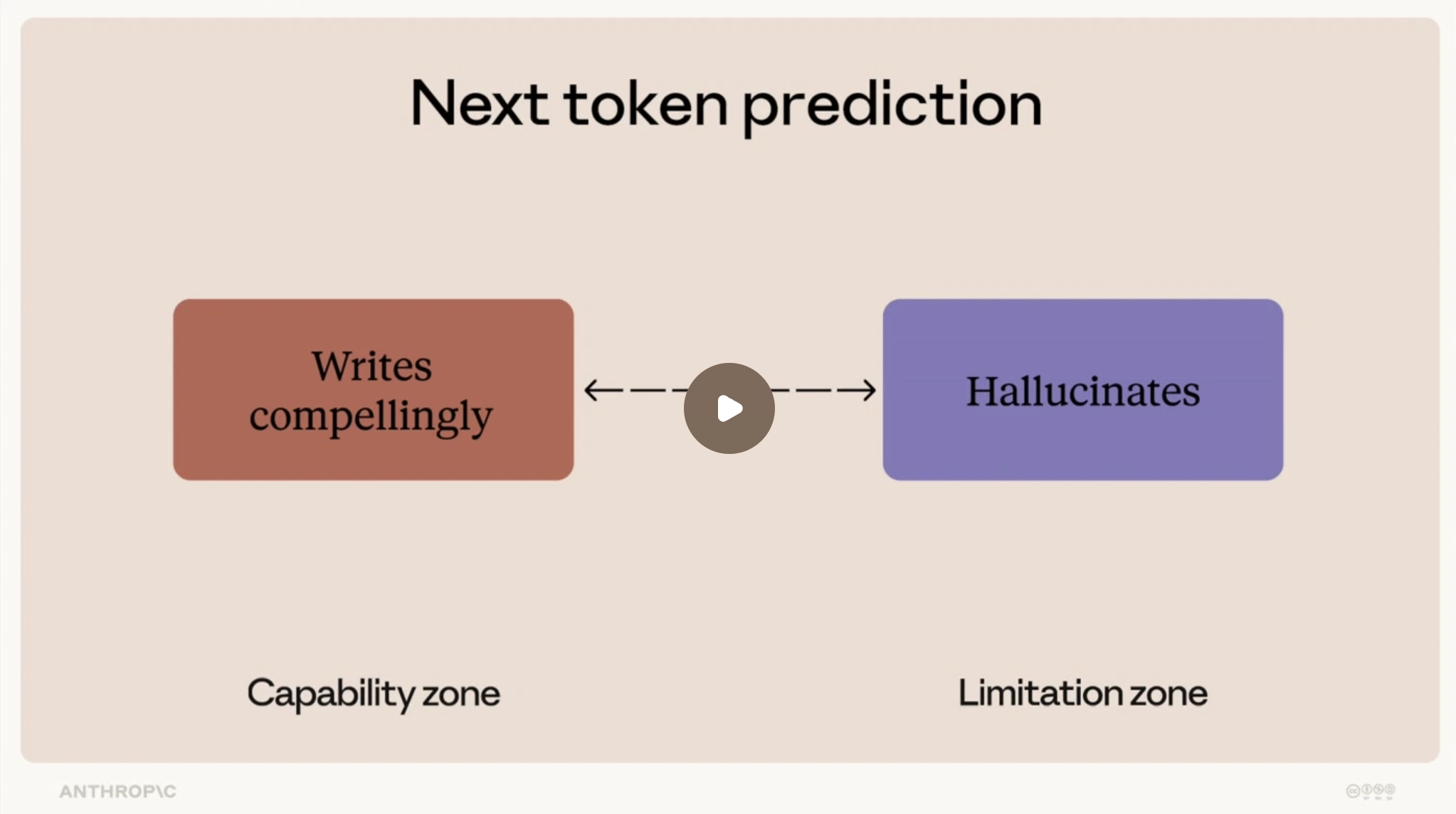
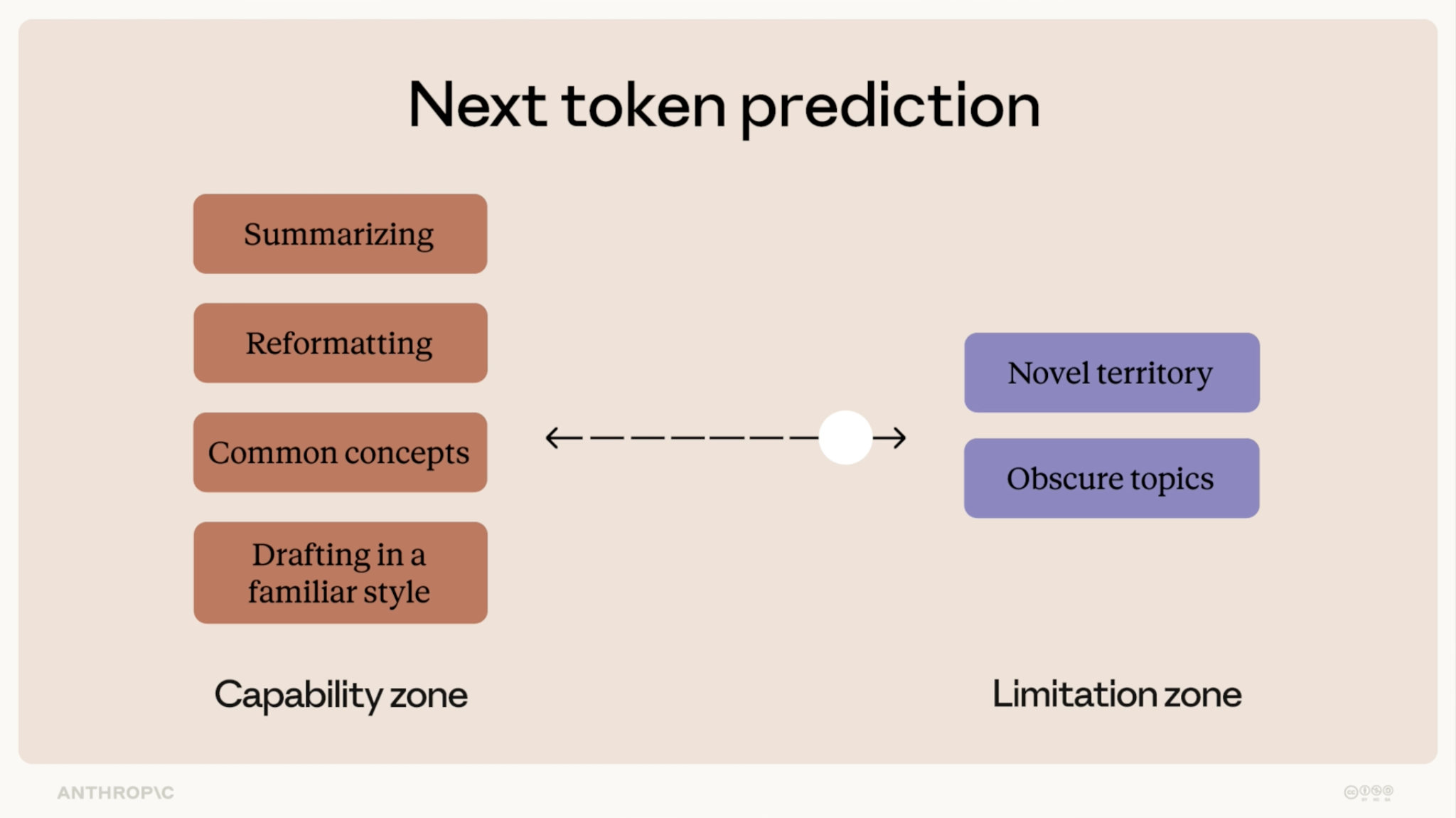
  • Next Token Prediction을 핵심 생성 메커니즘으로 설명하고, 허구 생성(fabrication)이 집중되는 지점을 파악합니다
  • 지식 컷오프와 불균등한 학습 범위가 모델이 아는 것을 어떻게 형성하는지 설명하고, 웹 검색, 검색(retrieval), 또는 도구 사용이 해결책이 되는 시점을 인식합니다
  • 컨텍스트 윈도우를 명확한 한계로 설명하고, 선행 배치(front-loading), 청킹(chunking), 중요 정보 재공급과 같은 컨텍스트 배치 전략을 적용합니다
  • 지시 따르기(instruction-following)가 엄격한 경우와 느슨한 경우를 예측하고, 추론 표류(reasoning drift)와 문구에 치우친 해석(letter-over-spirit)을 조종 가능성 실패로 인식합니다
  • 실제 AI 실패를 진단하여 어떤 속성들이 충돌하는지 명명하고, 표적화된 해결책을 선택합니다
  • 네 가지 속성을 4D Framework와 연결하고, 각 연속체에서 작업을 위치시켜 보정된 신뢰를 연습합니다

이 과정은 학습자에게 현대 생성형 AI 시스템이 어떻게, 왜 작동하는지에 대한 실용적인 사고 모델을 제공합니다. 이는 4D Framework의 동반 과정입니다: 그 과정이 인간의 역량(Delegation, Description, Discernment, Diligence)을 가르친다면, 이 과정은 그러한 역량이 대응하는 기계의 속성을 가르칩니다.

목표는 보정된 신뢰입니다: 예상치 못한 출력을 보고, 그것이 어떤 종류의 예상치 못한 것인지 인식하며, 일괄적인 판단이 아닌 표적화된 해결책으로 대응하는 것입니다.
Inside the course

시작하기

3 lessons

The word 'AI' covers a lot of ground. This section narrows it to the kind of system you'll actually be working with — large language models — and explains how two training stages, pretraining and fine-tuning, turn a raw text predictor into the helpful assistant you interact with. Along the way you'll meet the four-property framework that organizes the rest of the course.

Next Token Prediction

2 lessons

Every answer an AI gives is built one token at a time, by predicting what should come next. This section shows what that means in practice: why the model is excellent at well-worn paths like summarizing or reformatting, why it can produce things that sound true but aren't, and how to recognize when a task is pushing into territory where prediction alone isn't enough.

지식

2 lessons

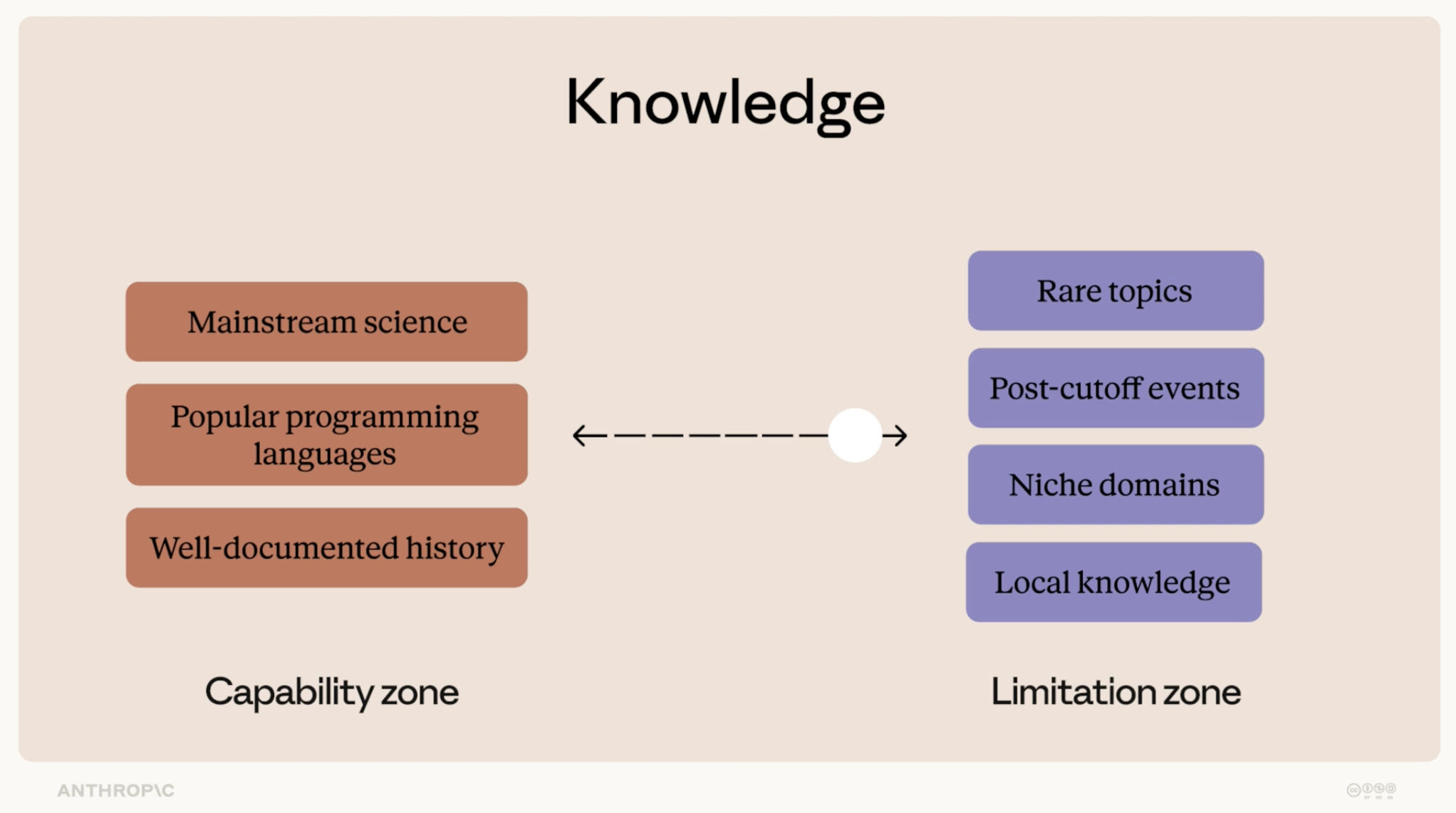
A model knows what was in its training data — frequently, recently, and consistently. This section unpacks what that implies: it's strong on mainstream topics and popular languages, weaker on anything rare, recent, niche, or contested. You'll practice judging where a question sits on that spectrum, so you know when to trust the answer and when to bring your own sources.

작업 메모리

2 lessons

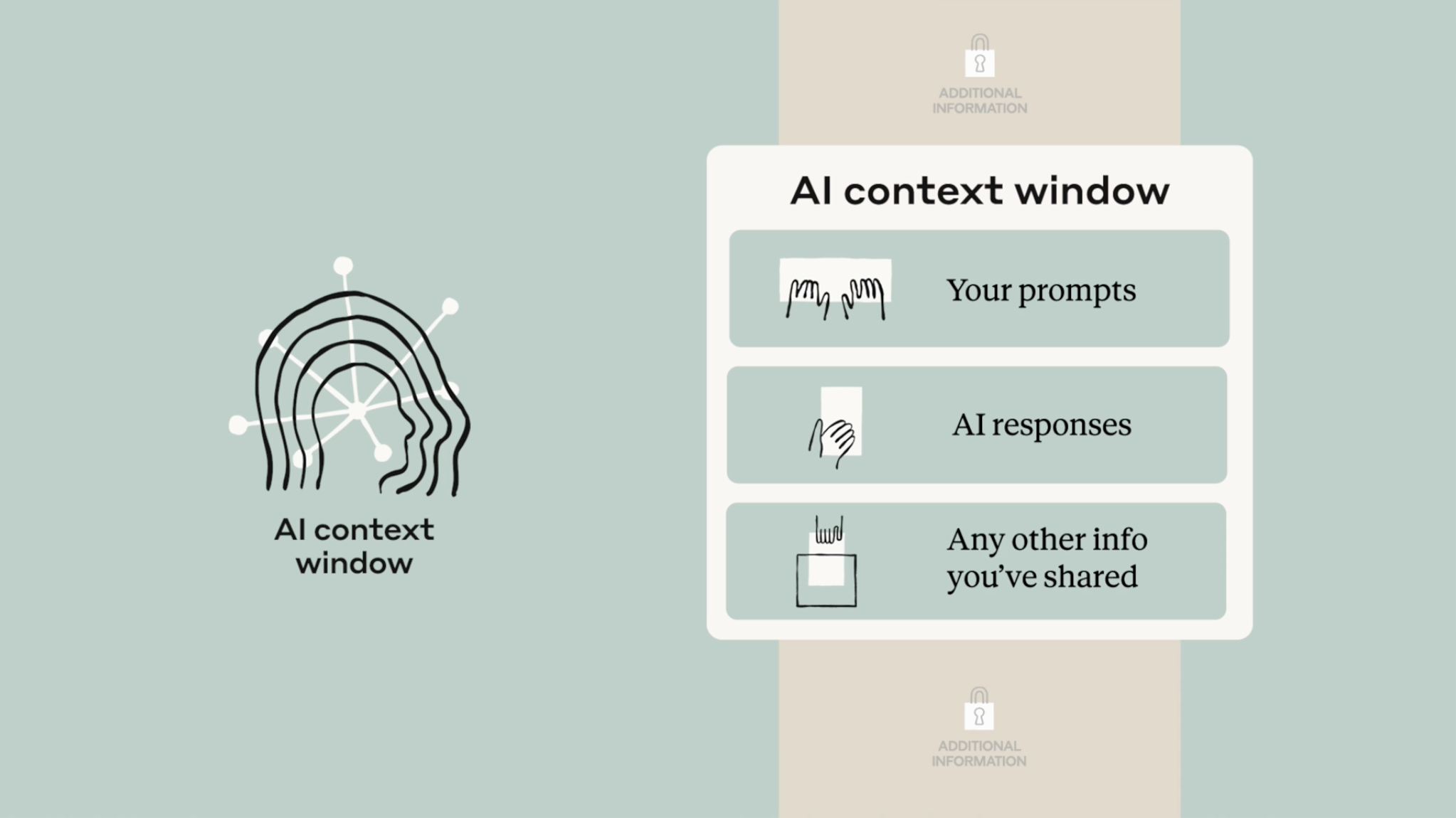
The context window is the model's working memory: everything it can pay attention to right now, and nothing else. This section covers what fits, what quietly falls off the edge, why attention isn't uniform across a long document, and why a fresh session doesn't remember the last one. You'll learn to size up a task against the window before you start, instead of discovering the limit mid-conversation.

조종 가능성

2 lessons

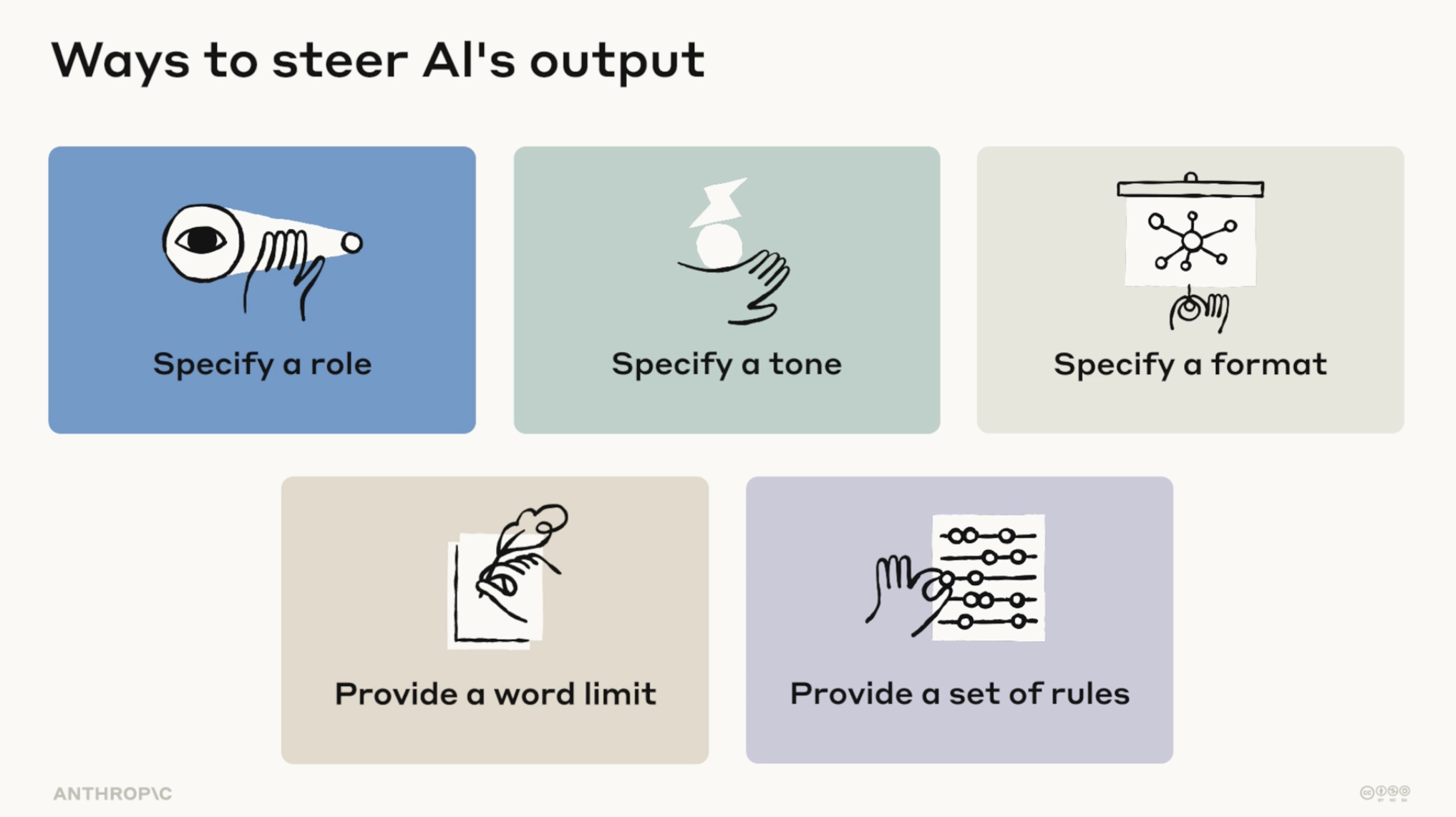
Your instructions are how you steer — but not all instructions land equally. Short, concrete, verifiable asks ('respond as a table', 'under 100 words') work reliably; long reasoning chains, abstract requests, and demands for native precision are where steering starts to slip. This section helps you tell the difference and rewrite a wobbly instruction into one the model can actually follow.

모든 것을 종합하고 다음 단계로

3 lessons

Real tasks rarely test one property at a time. A long contract review strains working memory while reaching past the model's knowledge; a vague creative brief tests steerability right where next-token prediction wants to fill in something plausible. This section shows you how the four properties collide, and gives you a diagnostic for any unexpected output: name which property is in play, place the task on its spectrum, and apply a targeted fix instead of just trying again.